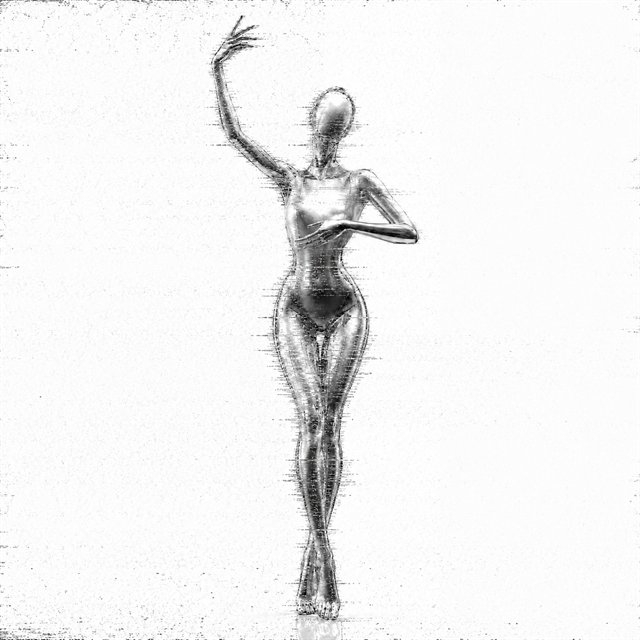
Raina
official seven-track release
Distributed independently through DistroKid.
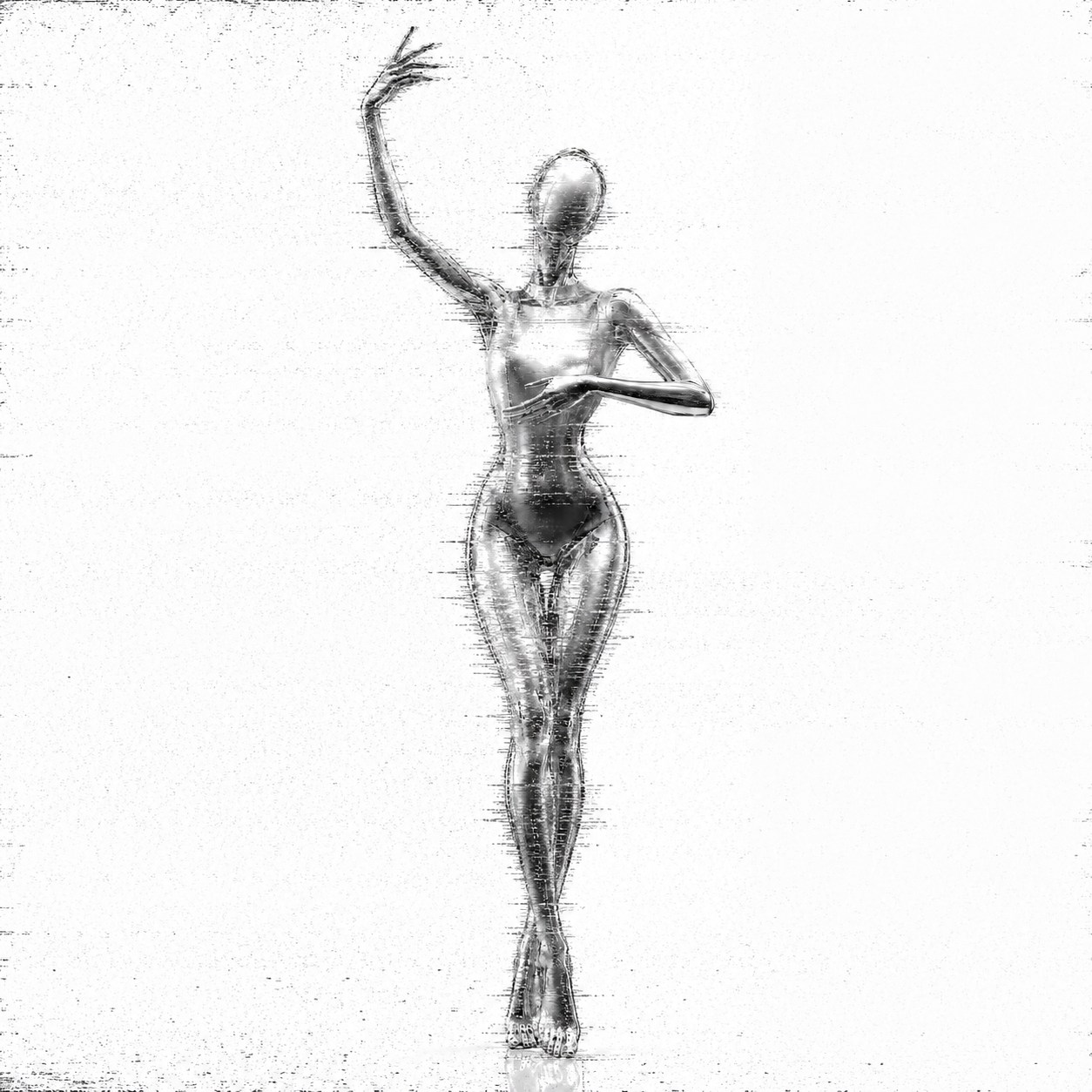
This is not an explanation.
It is the archive.
A voice.
A look.
A key.
A morning.
A word.
The image becomes clearer.
The evidence does not.
Being listened to is not the same as being understood. A phrase repeats until clarity begins impersonating truth.
Tu m’écoutes.
Tu ne m’entends pas.
A room can be built for one pair of eyes. The first fragment he keeps is not her face—it is the exact way she refuses to look.
A refusal can still become evidence when someone needs it to.
He calls danger the real version of her because her peace would prove that intensity was never the same as intimacy.
The life he insults is the one he could not build.
He leaves the door open and calls her departure permission. The keys remain longer than his authority over the lock.
Tu rentres quand?
When are you coming home?
She survives inside the version he replays: the nights, not the mornings.
You kept the nights.
Not the mornings.
Every person after her is still chosen through her imagined gaze. The replacement becomes another message.
The next person enters second, even when she enters first.
Forever becomes possible only after the person who could contradict the memory disappears.
You kept a version of me.
You did not keep me.
noise → signal → replica → devotion → perfection
clarity increases.
truth does not.
The female voices are not decoration.
They are surviving evidence.
The public vocal tells the story.
The background voice remembers it differently.
Objects return with changed meanings:
a look becomes surveillance;
keys become permission;
daylight becomes a threat;
playback becomes possession.
The record becomes clearer as it moves.
That does not make its narrator more correct.